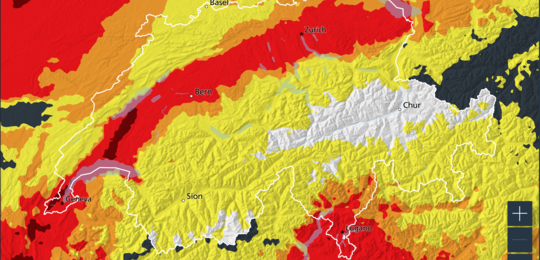
Formaldehyde, also known as methanal, is a colourless, volatile organic compound released from burning wood, tobacco smoke and from paints, varnishes, adhesive, and waxes. Low levels of formaldehyde in the air are considered harmless, but levels can build up to ten times higher indoors compared to the outside. As citizens in de...
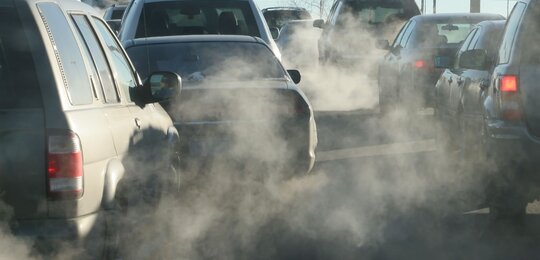
Nitrogen dioxide (NO2) gas is a harmful pollutant mainly produced by the combustion of fossil fuels. It can react with water in the atmosphere to form nitric acid (HNO3), producing acid rain, harmful to vulnerable ecosystems. In humans, it can impair lung function and exacerbate respiratory conditions and is a precursor of grou...
According to EEA estimates, 239,000 deaths in the EU in 2022 were attributable to fine particulate matter pollution (PM2.5) at concentrations above the World Health Organisation’s recommendation of 5 μg/m3. To mitigate the effects of air pollution on humans and the environment, regulatory bodies impose strict legal limits on ai...
Thousands of volatile organic compounds (VOCs) are present in the atmosphere. Of those, halogenated ones containing fluorine, chlorine, or bromine - are mainly emitted by anthropogenic activities. In 1987, after it was discovered that chlorofluorocarbons used in refrigeration were destroying the protective ozone layer, the Mont...
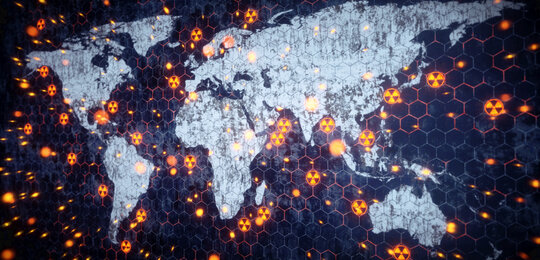
Low frequency sound (below 20 Hz for human hearing) and vibration (0.01-5 Hz) propagating through the atmosphere, oceans and ground are used to detect natural events such as earthquakes, tsunamis and volcanic activity. These frequencies are also indicative of anthropic events including nuclear explosions. To detect these the In...
Air quality has a profound influence on human health and the environment. Poor air quality can trigger respiratory conditions, like asthma or allergies, limiting people’s ability to go about their daily lives or even causing serious medical complications. The World Health Organization estimates that asthma affects 262 million p...